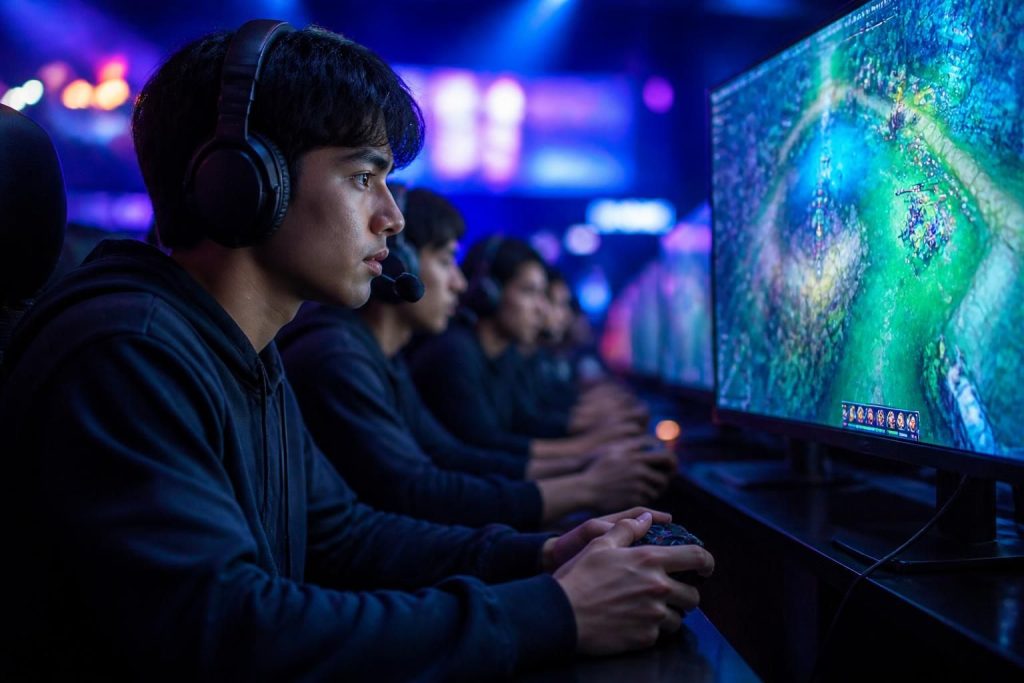
Gaming in Southeast Asia has rapidly evolved into a dynamic and diverse ecosystem, characterized by immense growth in user engagement, technological advancements, and a vibrant community culture. From mobile gaming to competitive esports, this region is shaping the global gaming landscape, reflecting unique local trends and preferences. As digital connectivity expands and gaming becomes increasingly mainstream, the impact of these developments on both individual players and communities is profound.
Mobile Gaming: Dominating the Landscape
One of the most notable trends in gaming in Southeast Asia is the dominance of mobile platforms. With a high penetration of smartphones and affordable data plans, mobile gaming has become the most accessible form of gaming for millions of users. Games such as Mobile Legends: Bang Bang and PUBG Mobile have captured the attention of players across various demographics, particularly younger audiences.
According to recent statistics, mobile gaming comprises a significant portion of the overall gaming market in Southeast Asia, with countries like Indonesia and Vietnam leading the charge. The convenience of gaming on-the-go, combined with free-to-play models, has allowed players to engage without significant financial barriers. As developers continue to optimize games for mobile devices, the trend is expected to accelerate, further enriching the gaming culture in the region.
The Rise of Esports: Community and Competition
Esports has emerged as a cornerstone of gaming in Southeast Asia, capturing the hearts of both casual and competitive gamers. Major tournaments, such as The International for Dota 2 and the Mobile Legends Professional League, draw massive crowds and significant online viewership, often surpassing traditional sports in popularity. This surge has been bolstered by the establishment of local esports organizations and the investment of major brands in sponsorship and promotion.
A vibrant community has developed around esports, fostering a culture of teamwork, strategy, and skill. Online platforms and social media serve as hubs for players to connect, share strategies, and engage with their favorite teams. Events not only promote competition but also provide a platform for fans to interact with players, creating a sense of belonging and community that resonates deeply within the region.
Game Development: Local Talent and Global Reach
Another significant aspect of gaming in Southeast Asia is the growth of local game development studios. Countries like Singapore, Malaysia, and Indonesia are nurturing their own talent and producing games that reflect cultural narratives, often with global appeal. Developers are increasingly focusing on storytelling that resonates with local audiences while also incorporating universal themes that attract international players.
One notable example is Rising Hell, a game developed in Indonesia that has received acclaim for its engaging gameplay and distinctive art style. The rise of local game studios is not only contributing to the economy but also enhancing the cultural representation within the gaming industry. As these studios gain traction, they are beginning to attract attention from larger companies looking to collaborate or acquire innovative projects. For more on this topic, see สล็อต.
Technological Innovations: Enhancing the Gaming Experience
Advancements in technology have played a crucial role in shaping gaming in Southeast Asia. With the advent of faster internet speeds and improved hardware, players are experiencing games like never before. Cloud gaming services are gaining popularity, allowing players to access high-quality games without the need for expensive consoles or PCs.
Additionally, the integration of augmented reality (AR) in mobile games has created new experiences that entice players. For instance, games such as Pokemon GO have encouraged outdoor exploration and social interaction, further embedding gaming into the daily lives of players. Such innovations are not only enhancing gameplay but are also forging connections between gamers, communities, and their environments.
Challenges and Future Outlook
Despite the rapid growth of gaming in Southeast Asia, several challenges persist. One major issue is the digital divide, where certain regions still lack proper internet access, limiting opportunities for potential gamers. Moreover, issues related to online safety and toxic behavior remain prevalent, especially in competitive gaming environments. Addressing these challenges is essential to ensure that gaming can continue to thrive as a wholesome and inclusive activity.
Looking ahead, the future of gaming in Southeast Asia appears promising. As the community continues to grow, driven by local talent, technological advancements, and cultural engagement, the region is poised to make an even more significant impact on the global gaming scene. Furthermore, as more players engage through various platforms, including mobile and PC, the diversity of gaming experiences will likely expand, enriching both the industry and its communities.
In conclusion, gaming in Southeast Asia is not just a trend; it is a multifaceted phenomenon that encompasses mobile gaming, esports, local development, and technological innovation. As this vibrant community evolves, it will undoubtedly continue to shape the future of gaming, creating opportunities for connection, competition, and creativity across the region. The continued growth of this sector reflects the passion and commitment of its players and developers, ensuring that Southeast Asia remains at the forefront of the global gaming industry.